The Overlooked Sleep Crisis
When Did Sleeping Less Become Something to Be Proud Of?
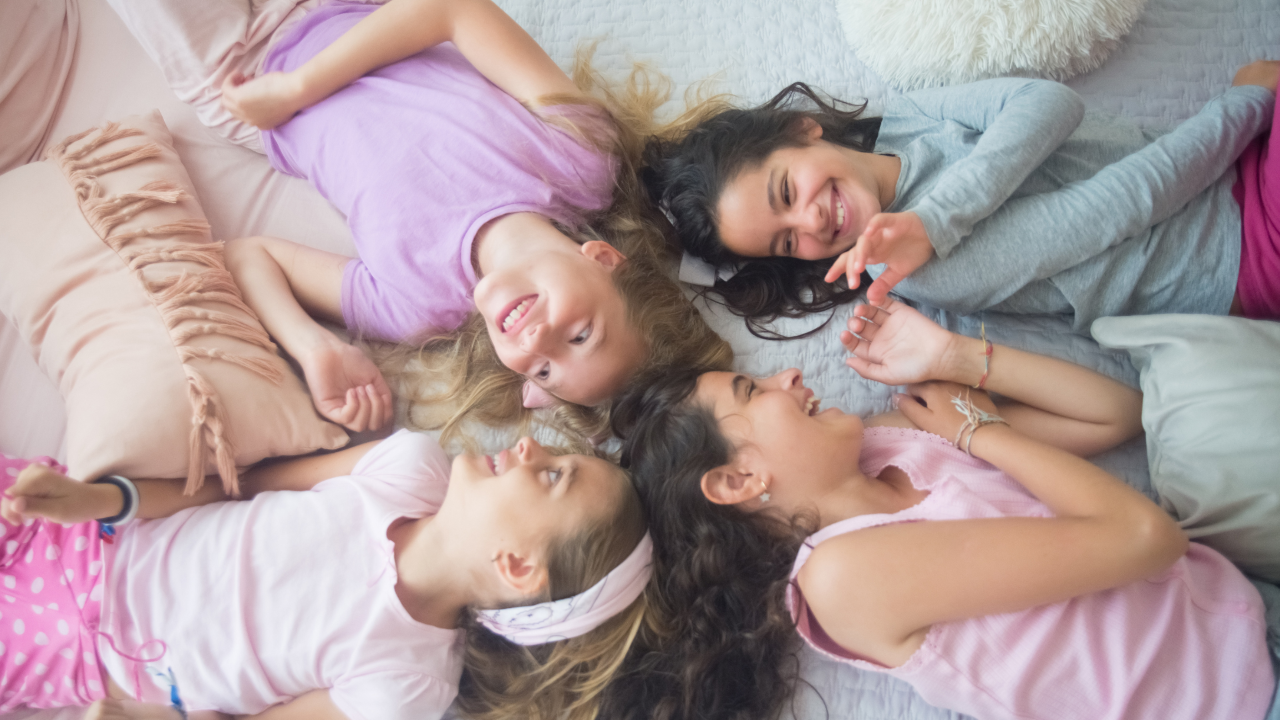
At the last sleepover my son went to, there was apparently a competition to see who could stay awake the longest. One of his friends finally fell asleep at around 6.30am. He’s 11, and apparently this was something to be proud of.
The following day they all wanted to play football, but none of them had their usual energy. My son couldn’t understand why he wasn’t playing as well as he normally does and, by supper time, he was in tears because he physically felt so awful.
Now, I don’t want to be the parent who ruins every sleepover. One late night isn’t going to cause long-term harm. Childhood should include sleepovers, birthday parties, holidays and the occasional night when normal routines go completely out of the window.
What bothers me isn’t really the sleepover. It’s the badge of honour attached to sleeping less.
When did exhaustion become impressive?
We see it in adults too. “I only got four hours last night.” “I was working until 2am.” “I can survive on hardly any sleep.”
Somewhere along the way, being exhausted seems to have become confused with being busy, successful, committed or resilient. And children are watching us. So perhaps it shouldn’t surprise us when an 11-year-old thinks staying awake until 6.30am is an achievement.
But needing sleep isn’t weakness, and overriding our body’s need for it isn’t resilience. It’s simply asking the brain and body to keep performing without something they biologically need.
Children feel the consequences quickly
The effects can be very obvious. A tired child may find it harder to concentrate, remember things, regulate their emotions or perform physically. Sometimes we describe that child as grumpy, difficult, lazy or over-emotional without stopping to think about whether they are simply exhausted.
My son didn’t immediately make the connection between barely sleeping and suddenly being unable to play football at his usual level. To him, those two things felt completely separate. And perhaps that is where we can help.
We don’t necessarily need to lecture children about sleep. Instead, we can help them notice what it actually does for them. How did football feel today? Was it harder to concentrate? Did you feel more emotional? Did your body feel different?
That makes sleep something they can experience and understand rather than simply another rule imposed by an adult.
We don’t need to become the sleep police
I don’t think the answer is to frighten children about sleep or make every late night feel dangerous. That can create a whole different problem.
Instead, I think we need to change the way we talk about sleep.
When somebody proudly tells us they survived on three hours, perhaps we don’t need to treat it as an achievement. We can stop competing over who slept least and stop presenting tiredness as proof that somebody is working harder than everyone else.
Imagine a child proudly announcing, “I was so busy yesterday that I didn’t drink any water,” or “I played football all day and didn’t eat.” We probably wouldn’t congratulate them. Sleep is a biological need too.
Talk about what matters to them
Children probably aren’t interested in hearing a lecture about the long-term health consequences of insufficient sleep. But they almost certainly care about something that sleep affects.
That might be football, gaming, dance, school, their mood, their skin, their friends, their energy or their ability to remember things.
For my son, saying, “Did you notice how much harder football was after staying awake all night?” is probably going to mean far more than any lecture I could give him as a sleep specialist.
The aim isn’t to make children obsessed with sleep. It’s to help them recognise the connection between how they sleep and how they feel and function the next day.
Protect the ordinary nights
We don’t need perfect sleep every night. The occasional sleepover, holiday or special occasion really isn’t the problem.
What matters far more is what happens most of the time: giving children enough opportunity to sleep, keeping routines reasonably consistent, protecting bedtime when life gets busy and treating sleep as something important rather than the first thing we sacrifice when we run out of hours in the day.
That’s the culture I would like to see change.
Be a sleep advocate
Children receive messages about sleep from everywhere: parents, friends, teachers, coaches, social media and even the casual comments adults make about being exhausted.
So perhaps we need more people willing to quietly challenge the idea that sleeping less makes you stronger. Not by becoming obsessive about sleep, cancelling every sleepover or expecting perfection, but simply by changing the story.
Sleeping less isn’t an achievement. Needing sleep isn’t weakness. And exhaustion isn’t resilience.
Almost everything we want our children to do, learn, regulate their emotions, play sport, concentrate, recover and enjoy themselves, becomes harder when they are running on empty.
Sleep isn’t something to beat. It’s something worth protecting.
A question to leave you with
What message are the children around you learning about sleep, that it’s an inconvenience to overcome, or a biological need worth protecting?
Join our mailing list below to get exclusive early access to
free educational content, tools and other goodies!
We won't send spam. Unsubscribe any time.