Post-Holiday Syndrome: Could Your Sleep Be Part of the Problem?
Feeling a bit glum? Lacking motivation? Struggling to focus? Finding sleep harder than usual?
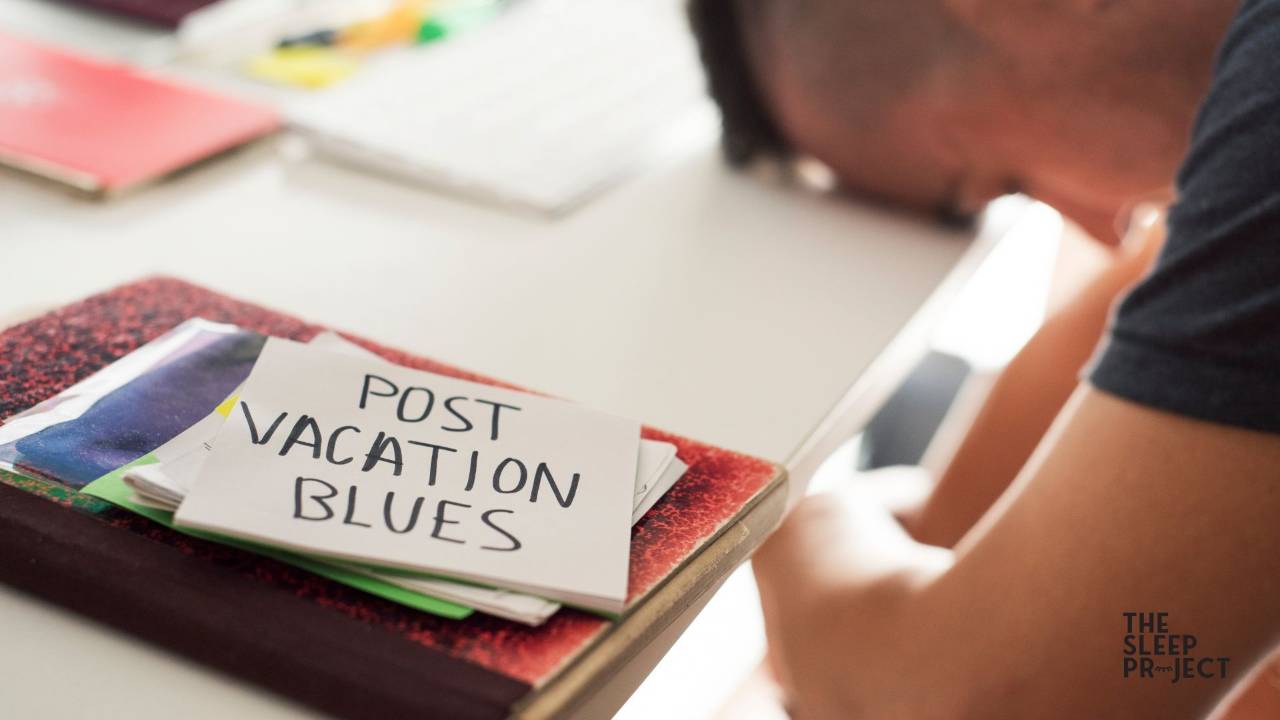
You could be experiencing the post-holiday blues, sometimes called post-holiday syndrome.
It isn’t a medical diagnosis, but describes the temporary adjustment some people experience when moving from the freedom of a holiday back to everyday routines and responsibilities. Fatigue, low mood, irritability, anxiety and difficulty concentrating can all be part of the picture.
Psychologist Marta Cervera from Parc Sanitari Sant Joan de Déu describes it as “a natural emotional and physiological response”, with studies suggesting it may affect 20–40% of people. For most, it settles naturally within around two weeks.
But there’s one part of the post-holiday slump we think deserves more attention: sleep.
Holidays don’t always mean better sleep
We tend to think of holidays as a chance to rest and recharge, but they can be surprisingly disruptive to sleep.
Bedtimes get later, lie-ins become longer, meals are later, we treat ourselves to a bit more alcohol, and our usual wind-down routines often disappear. Add an unfamiliar bed, noise, heat, light, room-sharing or a change in time zone, and it’s easy to see why sleep can suffer.
There is even a recognised 'first-night effect', where we tend to sleep less well somewhere new.
Fascinatingly, researchers have found that during the first night in an unfamiliar environment, part of the brain can remain more vigilant during deep sleep and respond more strongly to unusual sounds – almost as if it is keeping a night watch. One theory is that this may be a protective mechanism: sleep makes us vulnerable, so in unfamiliar surroundings the brain maintains a little extra vigilance until the environment feels safe.
For most of us, this quickly settles. But if you already live with insomnia, holidays can disrupt the rituals and coping strategies you’ve developed to protect whatever sleep you can get , and returning home can unsettle things all over again.
Then comes the return to reality
You arrive home carrying a bit of a sleep deficit and suddenly the alarm is going off earlier, your inbox is overflowing and your to-do list seems to have doubled.
And sleep and stress can quickly feed each other.
Poor sleep makes it harder to concentrate, regulate emotions and cope with pressure. Feeling overwhelmed can then make it harder to switch off at night.
So the workload feels bigger because you’re tired.
You worry about everything you need to do.
Then you lie awake thinking about it.
The holiday is over, but your sleep hasn’t quite caught up.
So, how do you make the return easier?
Rather than expecting yourself to snap straight back into normal life, give your body and brain a little time to readjust.
-
Ease back into your workload. Prioritise what genuinely needs doing first rather than trying to clear everything on day one.
-
Get your sleep routine back on track. A regular wake-up time and morning daylight can help reset your body clock after later nights and lie-ins.
-
Keep clear boundaries around work. Try not to let the return-to-work backlog creep into every evening. Your brain still needs time to switch off.
-
Avoid overcompensating for tiredness. Long lie-ins, big naps and very early nights can sometimes make it harder to sleep the following night.
-
Keep some of the good bits of holiday life. Make time for exercise, friends, hobbies or anything else that helps you feel more like yourself.
-
Reassess what actually matters. Holidays often give us a little distance from normal life. If you’ve come back feeling overwhelmed, it may be worth asking whether everything on your list really deserves the same priority.
-
Bring back a wind-down routine. Give yourself a clear transition between the demands of the day and bedtime.
What if your sleep isn’t returning to normal?
For most people, post-holiday symptoms settle as normal routines return.
But if a week or two passes and sleep is still a struggle – or coming home has made you realise it was already becoming a problem before you went away – it may be worth looking at more closely.
Perhaps you’re regularly lying awake for long periods, waking repeatedly during the night, worrying about whether you’ll sleep or changing your plans because you’re worried about how tired you’ll feel.
Your holiday may not have caused the sleep problem. It may simply have exposed it.
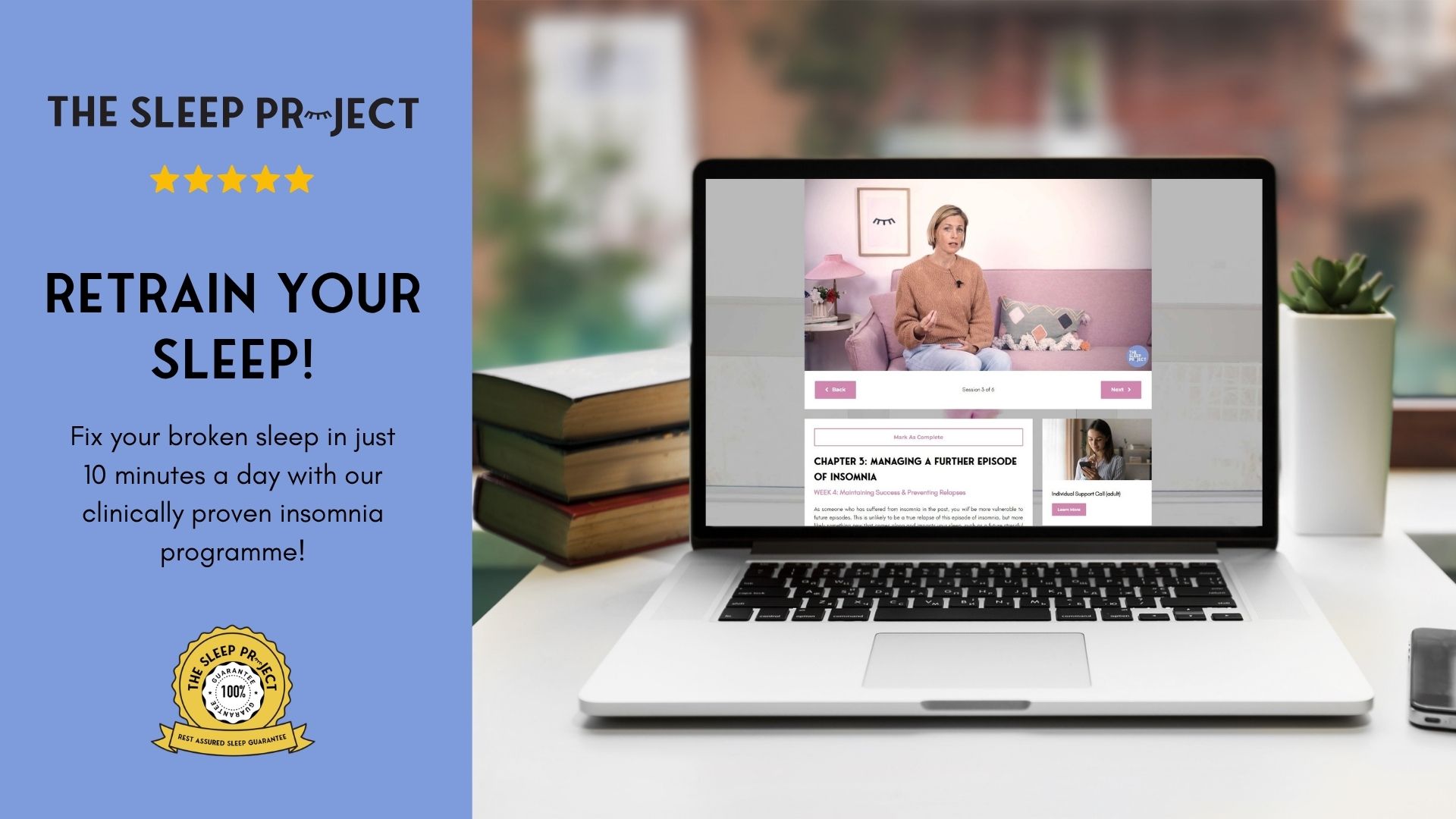
At The Sleep Project, our clinician-led team helps people understand what is getting in the way of their sleep and, importantly, what they can do to change it.
If your sleep isn’t settling back down, get in touch.
Because better sleep doesn’t just make nights easier. It makes everyday life easier too.
Join our mailing list below to get exclusive early access to
free educational content, tools and other goodies!
We won't send spam. Unsubscribe any time.