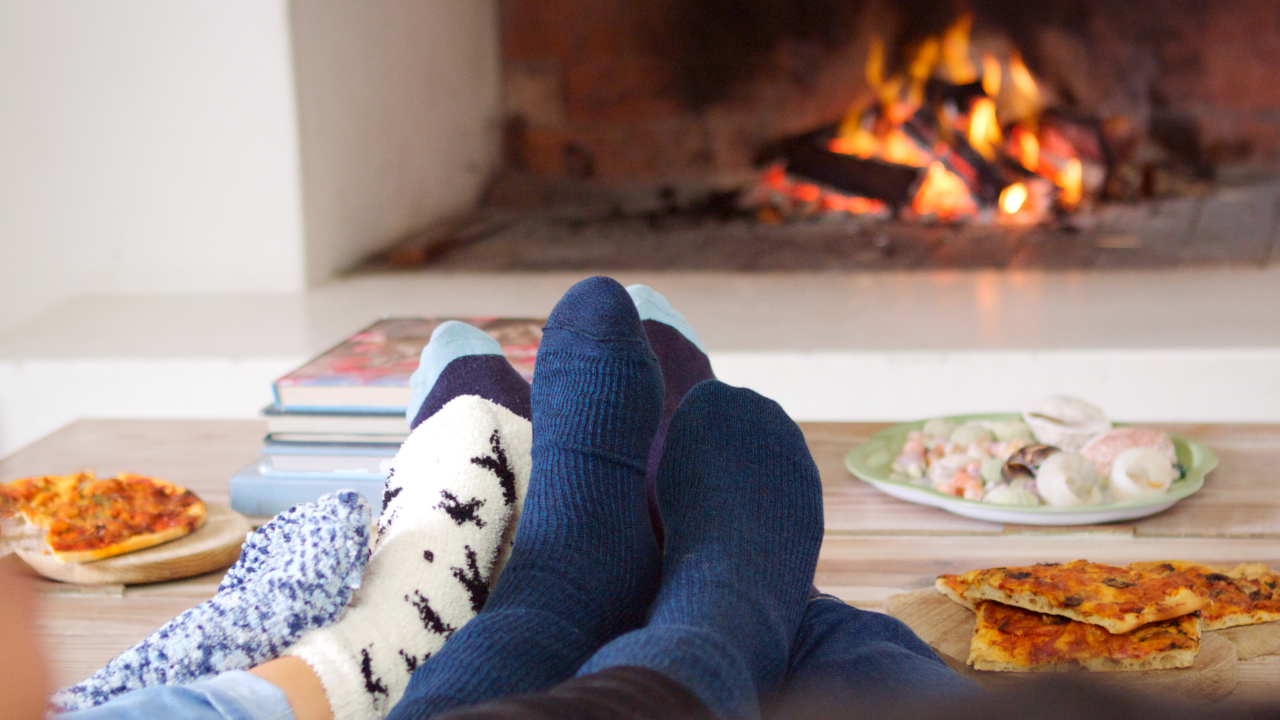
Can We Just Hibernate? A Family Guide to Winter Sleep
Every year, somewhere around November, I start to wonder why humans weren’t included in the hibernation plan.
It’s dark when we get up, dark not long after the children come out of school and, once everyone is home, getting back outside again can require an almost unreasonable amount of enthusiasm. The sofa looks increasingly appealing, pyjamas seem perfectly acceptable at 6pm and there is something about winter that makes the whole family want to retreat indoors.
And perhaps we don’t need to fight all of that.
Obviously, we can’t disappear under a duvet until March. But I do think there is something rather nice about allowing family life to change slightly with the seasons. Winter doesn’t have to have exactly the same pace as summer. There can be more books, baths, blankets, films, early nights and quiet evenings at home.
The important bit is getting the balance right. Think bright days and cosy nights.
Why winter can feel different
Light is one of the most important signals our brain uses to work out what time of day it is. Our internal body clock, or circadian rhythm, responds to the pattern of light and darkness around us, helping regulate when we feel awake and when we become sleepy.
In winter, that pattern changes dramatically. Mornings are darker, daylight hours are shorter and children often spend much more of their day indoors.
Research in children has found associations between the timing and intensity of light exposure and sleep, while NHS sleep guidance recommends plenty of light, particularly in the morning, to help reinforce the difference between day and night.
That doesn’t mean children automatically need significantly more sleep because it’s November. But it does mean we should pay a little more attention to the signals we’re giving their body clock.
Don't accidentally hibernate during the day
This is probably the most important part.
When it’s grey, cold and drizzling, it’s incredibly tempting to spend the whole weekend indoors. But winter is actually when getting outside during daylight becomes particularly useful.
It doesn’t need to involve a beautiful family hike where everyone cheerfully admires the autumn leaves. It might just be walking to school, taking the baby out in the pram, kicking a football around for twenty minutes or going to the playground while you stand there wondering why you didn’t wear another jumper.
Daylight and movement during the day both support healthy sleep patterns. Even on cloudy days, being outside gives us much more natural light than we generally get sitting indoors.
So rather than trying to keep children calm all day because they seem tired, it can help to do the opposite: get them outside, get them moving and let daytime really feel like daytime.
Then embrace the cosy bit....
Once evening arrives, winter suddenly becomes rather good for sleep.
The natural darkness gives us an opportunity to make the house feel different at night. Lights can become softer, screens can go away, baths get warmer and we can start signalling that the busy part of the day is finished.
Children don't need an elaborate bedtime routine. In fact, simple and predictable is usually better: wash, pyjamas, teeth, story, bed. A regular routine helps children recognise what is coming next and gives them time to move from the stimulation of the day towards sleep.
This is where I think we can borrow something from the idea of hibernation. Not by sleeping all winter, but by creating a genuine difference between day and night, activity and rest.
We are often very good at filling children's days. Clubs, homework, playdates, activities and screens can stretch right up until bedtime. Winter gives us a perfectly good excuse to occasionally say: No, actually, tonight we're staying in.
That isn't laziness. Sometimes it's exactly what everyone needs.
What about the winter slump?
Lots of us recognise that feeling of having less energy when the days become shorter. Reduced daylight is also associated with Seasonal Affective Disorder (SAD), a type of depression with a seasonal pattern. Symptoms can include low mood, difficulty concentrating, greater tiredness and sleeping more than usual.
That is different from simply feeling a little more reluctant to leave the sofa on a dark November evening. If you are worried about a child's mood, energy or behaviour, particularly if changes are persistent or significant, it is worth seeking medical advice rather than assuming it's just winter.
But for everyday winter sluggishness, the basics are remarkably unglamorous: daylight, movement, regular routines, connection with other people and enough opportunity for sleep.
There isn't a supplement, gadget or complicated sleep hack required.
Don't aim for perfect winter sleep
Winter with children also means coughs, colds, blocked noses, disrupted nights and the occasional small person appearing beside your bed at 3am.
You are not going to maintain perfect sleep every night between now and spring.
Nor do you need to.
Healthy sleep is about the overall pattern, not one terrible Tuesday night when everybody has a cold. Keep coming back to the basics when you can: reasonably consistent mornings, plenty of daytime light, movement, regular meals and a calming transition towards bedtime.
And perhaps lower the expectations elsewhere occasionally.
Not every evening needs an activity. Not every weekend needs to be full. Children don't need entertaining every minute they're awake and parents don't need to squeeze maximum productivity out of every hour either.
Winter survival starts with sleep
Perhaps that's what I like about the idea of hibernation.
Animals don't see periods of rest as wasted time. Rest is part of how they survive.
We obviously live rather different lives, but perhaps there's still something to learn from that.
Winter can be a chance to notice when the whole family is running on empty and respond by taking something away rather than adding something else. Get outside while there is light. Let children move. Eat together when you can. Come home. Put the lights down. Read the story. Get under the blanket. Go to bed.
We don't need to spend winter fighting our biology.
We can work with it a little more.
Bright days. Cosy nights. And enough sleep to get everybody through to spring.
A question to leave you with
Does your family naturally slow down in winter — or are you still expecting yourselves to keep up exactly the same pace all year round?
Join our mailing list below to get exclusive early access to
free educational content, tools and other goodies!
We won't send spam. Unsubscribe any time.